Small Space, Big Feeling: Decor Ideas That Make a Compact Home Breathe
Compact homes get blamed for problems that actually belong to layout and light. A room does not feel cramped simply because it is small; it feels cramped because too many objects, colours and surfaces are competing for attention at once. When we walk into a tight living room or a narrow bedroom, the first job is never shopping. It is subtraction and reorganisation, because clarity is what makes a small space feel generous.
We usually begin with the way the room is used across a normal week. Where does the natural light fall in the morning and the late afternoon? Which corner collects bags, keys and mail? Which piece of furniture is only there because it has always been there? Answering those questions honestly usually reveals that a room is short on circulation rather than short on square footage, and circulation can almost always be improved without moving a wall.
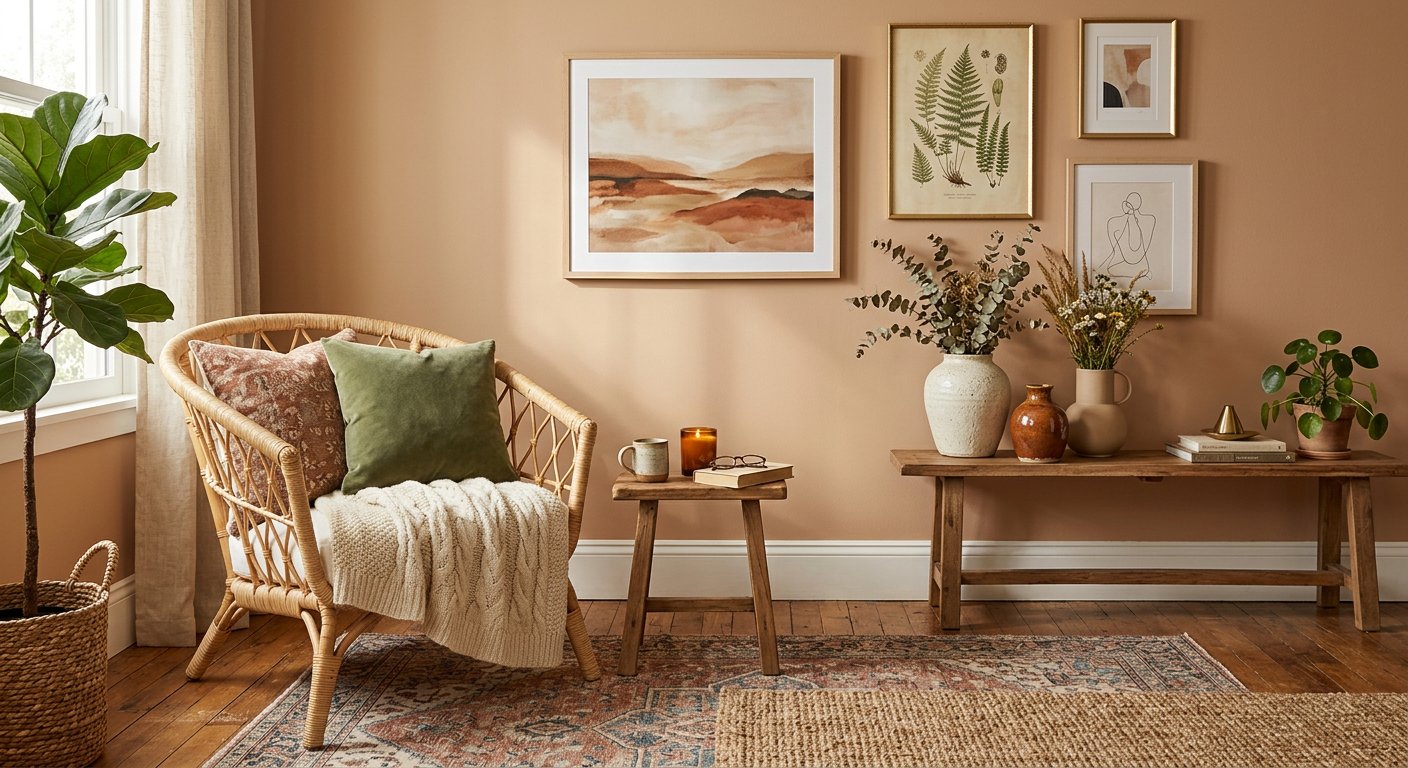
Colour is the next lever, and it works differently in small rooms than in large ones. Instead of painting every surface bright white, which can leave a space feeling flat, we prefer a restrained palette of two or three related tones. Keep ceilings and trim light, allow walls a soft mid-tone if you love warmth, and repeat that palette in textiles so the eye travels without interruption. Continuity fools the eye more effectively than any single trick.
Then comes light. A compact room usually has one good source and several poor ones. Sheer window treatments that still let daylight through, a mirror positioned to bounce that light across the room, and a mix of lamp heights instead of a single overhead fixture will do more than any furniture purchase. We advise layering light in three levels: general, task and accent. The accent layer is the one people skip, and it is the layer that makes an evening room feel considered rather than merely lit.
Storage is where small homes are won or lost. The rule we give homeowners is simple: store vertically and close it off. Open shelving is beautiful in photographs, but in daily life it invites clutter and dust. Choose tall, shallow units that run close to the ceiling, use closed drawers at eye level for the things you reach for daily, and reserve open display for a small, deliberate selection of objects you genuinely enjoy looking at.
Furniture scale matters more than furniture quantity. A single sofa that fits properly will make a room feel larger than two smaller pieces pushed against opposite walls. Low backs and visible legs let the eye skim the floor, which reads as spaciousness. Round or oval tables soften tight circulation paths. Where a room serves two purposes, consider pieces that fold, nest or wheel away, and be honest about how often you will actually fold them.
We also pay close attention to what is on the floor. A rug that is too small makes the seating area look squeezed, so choose the largest rug the layout can carry and let the front legs of the furniture sit on it. In a studio or open-plan home, different rugs can quietly mark different zones without adding a single partition. Texture does the same work as pattern here, adding interest without adding visual noise.
Finally, editing is a habit rather than an event. Small homes stay comfortable when a few items leave as regularly as new ones arrive. Keep one basket for outgoing items and empty it at the end of each season. Rotate accessories instead of storing them all at once, so the room changes without growing. Done consistently, that habit is what keeps a compact home feeling calm long after the decorating day is over.
If you would like help applying these ideas to your own layout, our interior team can walk the space with you, photograph it, and put together a room-by-room plan that works with what you already own before recommending anything new.